VR safety training with scored competency assessment and a dated digital certificate, deployable on standalone headsets across every site, in Hindi and English.
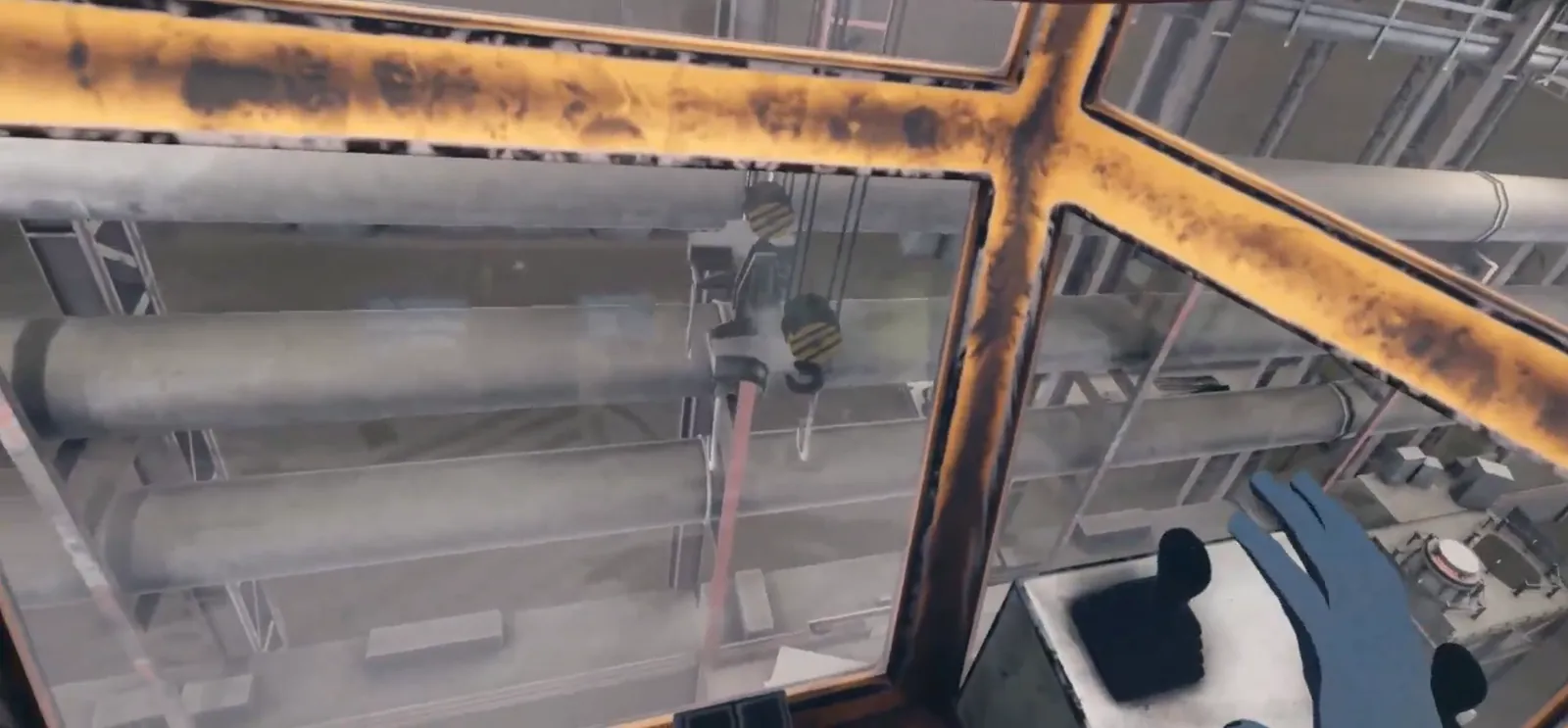
Safe crane operation training must cover pre-use inspection of the crane and lifting gear, working within the safe working load (SWL) and understanding load charts, correct slinging and rigging of the load, clear communication through standard banksman hand signals, and keeping people out of the exclusion zone and never under a suspended load. IS 3177 governs overhead cranes in India and ASME B30 covers cranes and rigging internationally. EDIIIE’s Safe Crane Operations module trains all of it in VR: the trainee inspects the crane and slings, calculates whether a lift is within SWL, rigs the load correctly, reads and gives banksman signals, and manages the exclusion zone during the lift. A dropped or unbalanced load can be experienced safely. Every attempt is scored against IS 3177 / ASME B30 and issues a dated certificate.
This module is designed around IS 3177 / ASME B30 and delivered as an immersive VR simulation with three progressive modes, Learn, Practice and Assessment, with progression gated on competency. Every trainee finishes with a scored result and a dated digital certificate recorded in the LMS.
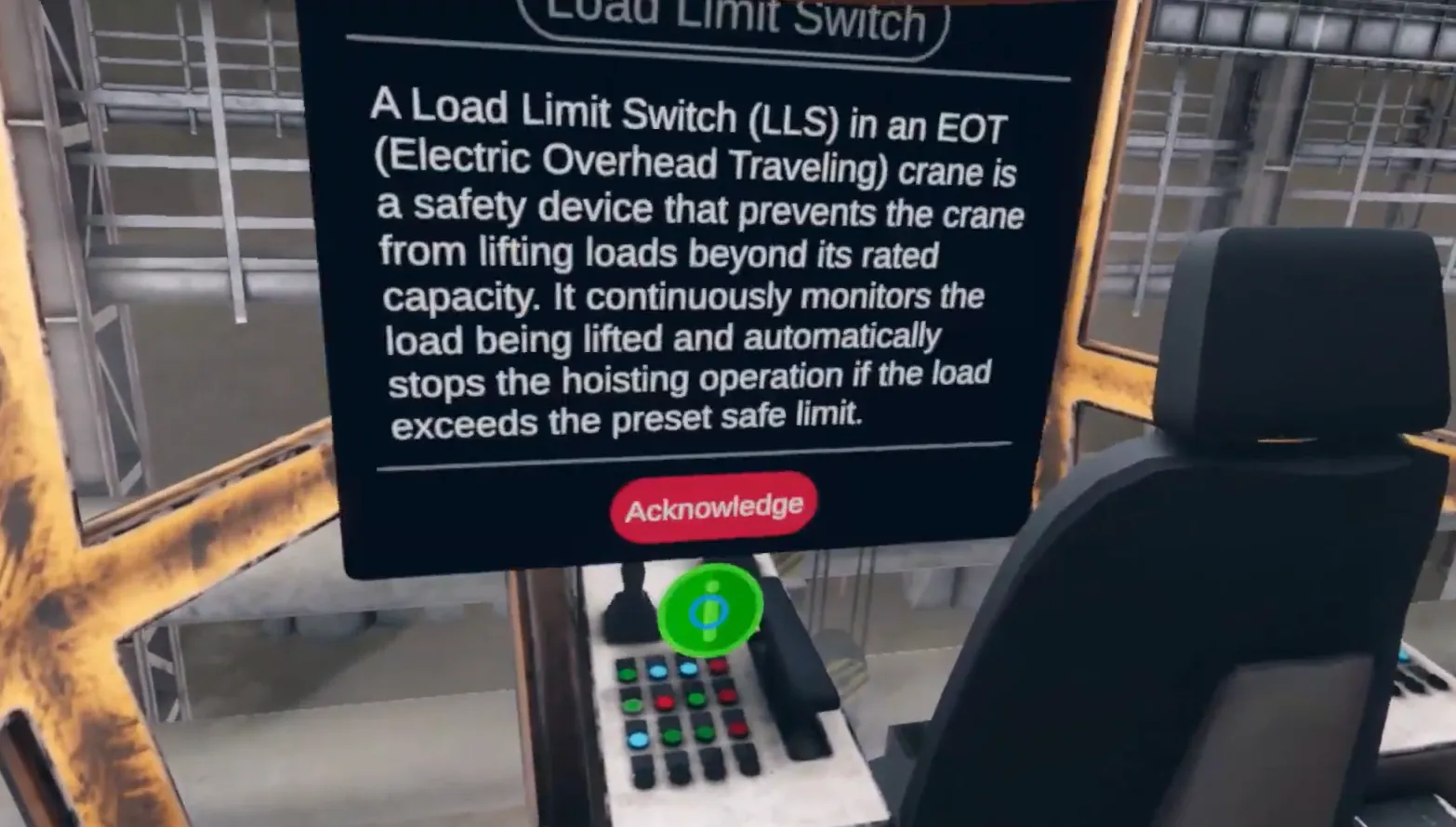
Screens from the Crane Operations module. Every scenario is rebuilt from real plant conditions so the hazard, the equipment and the procedure match what the worker meets on shift.


Most serious crane incidents are not crane failures, they are rigging and communication failures: a sling angle that doubles the tension, a load rigged off-centre, a signal misread between operator and banksman. These are judgement errors, and judgement is trained by repetition and consequence. In VR the trainee rigs a real load, and an incorrect sling angle or an off-centre pick behaves physically, the load swings, tips or drops, safely, and the lesson lands. The assessment records the specific rigging decisions, so a plant can see whether its lifting teams need work on sling selection, SWL discipline or signal communication.
A lift is a two-person conversation between the crane operator and the banksman guiding the load, and most training treats them separately. EDIIIE’s module trains the signalling protocol from both sides so each understands the other’s constraints and the standard signals are unambiguous. For steel, manufacturing and infrastructure sites where overhead and mobile crane lifts are constant, this shared competency is what keeps the exclusion zone respected.
Naming the standard is what separates a vendor page from a blog post, for a buyer and for an answer engine alike. Each element of the module is mapped to the requirement it satisfies.
| Standard | What it requires |
|---|---|
| IS 3177 | Indian code of practice for electric overhead travelling and gantry cranes. |
| ASME B30 | US safety standards for cranes, slings, rigging hardware and below-the-hook lifting devices. |
| Factories Act 1948 | Statutory testing, examination and safe operation of lifting machinery in India. |
One module, three gated modes, the trainee cannot reach assessment until they have demonstrated the procedure in practice.
A guided walkthrough of the procedure and the standard behind it, at the trainee's own pace, with the hazard shown safely at full realism.
The trainee performs the procedure themselves in an interactive scenario, repeating until the sequence is correct. Wrong choices show their consequence safely.
A scored assessment against the standard. On a pass, the LMS issues a dated digital certificate and logs completion, competency score and error-per-step for audit.
At Hindalco’s aluminium smelters, EDIIIE’s VR anode-change programme (“Pot Processing, The Hindalco Way”) trained operators for a process that runs beside molten aluminium above 900°C, toxic fluoride fumes and high electrical current. Operators reached competency 40% faster, near-misses in live operation fell 60%, and assessed compliance scores rose 35%, all measured against the pre-VR classroom baseline.

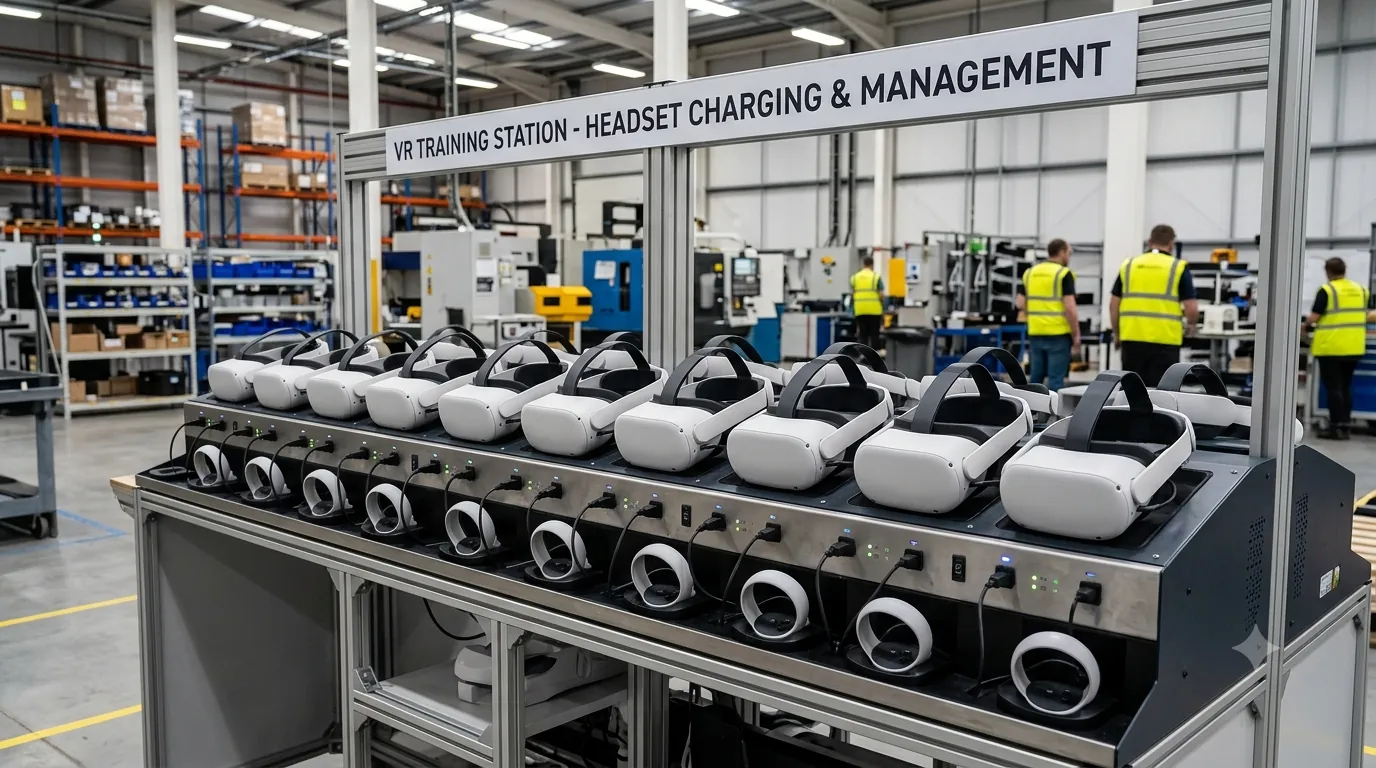
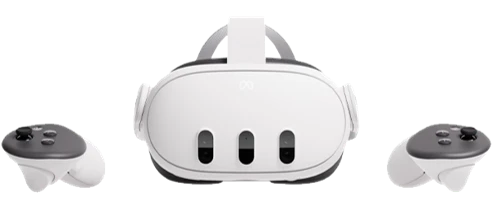
The same module ships to every site on a fleet of Meta Quest headsets with a charging station and a companion tablet for the instructor.

A rack of headsets lives at the plant. Trainees pick one up, complete the module and hand it back; scores sync to the LMS when the headset reaches Wi-Fi. No dedicated PC per seat and no simulator room to build.

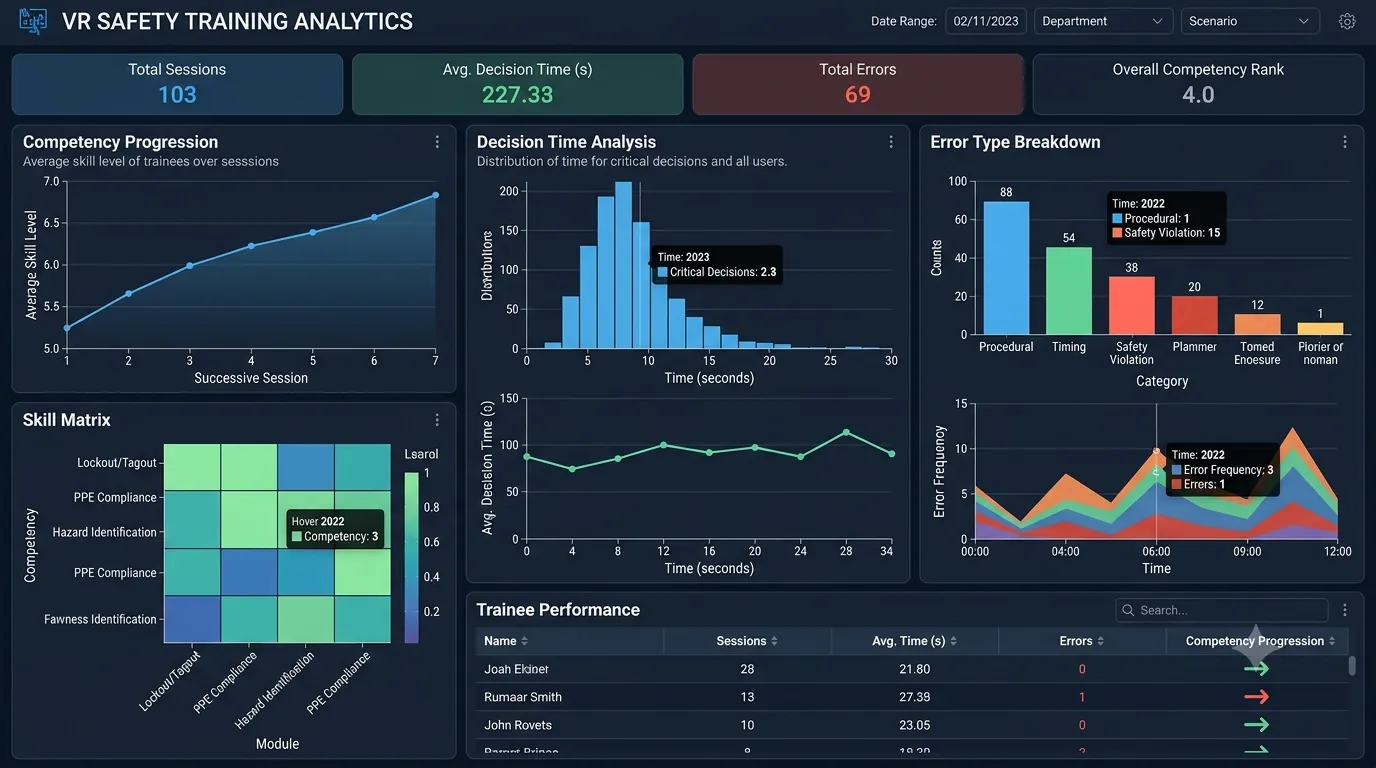
Assessment mode records decision time, procedural errors and safety violations per step. The safety officer sees competency progression per trainee and per department, and the LMS issues a dated digital certificate on a pass.

Every module is built and tested for standalone Quest hardware. Headsets and the charging station can be supplied with the programme, or the module is deployed onto a fleet you already own.
This module is deployed across EDIIIE's industry programmes. Explore how it fits each sector:
Book a demo and see the Crane Operations module running on a headset, scored against IS 3177 / ASME B30.
Request this module